Sarab — Cyber Deception in Action
A Case Study on the December 2023 Iran Gas Station Cyber Attack
Sarab — Cyber Deception in Action:A Case Study on the December 2023 Iran Gas Station Cyber AttackKey PointsIt seems likely that a recent cyber-attack in the MEN...
Key Points
It seems likely that a recent cyber-attack in the MENA region, such as the December 2023 gas station disruption in Iran, highlights the need for advanced cybersecurity measures.
Our cyber deception platform, offered by cytomate.net, could potentially help by creating decoy systems to mislead attackers, possibly preventing or mitigating such attacks.
The evidence leans toward increased cyber threats in the MENA region, making our platform particularly relevant for protecting critical infrastructure.
Background on the Attack
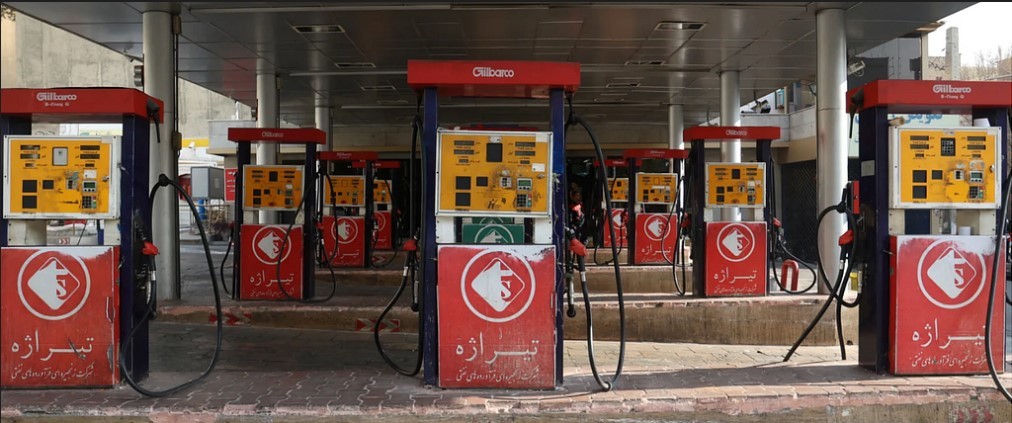
In December 2023, a group linked to Israel, known as Gonjeshke Darande or “Predatory Sparrow,” claimed responsibility for a cyber-attack that disrupted about 70% of gas stations in Iran. This attack caused payment issues and outages, affecting daily operations and public services in the region.
How Our Platform Helps
Our cyber deception platform is designed to create false targets, like decoy gas station systems, to distract attackers. This could have allowed defenders to detect the attack early, analyze attacker behavior, and protect real systems, potentially reducing the impact of such disruptions.
Unexpected Detail: Regional Relevance
Given the rising cyber threats in the MENA region, as noted in recent reports, our platform’s ability to adapt to these specific challenges could offer unexpected benefits for local organizations, enhancing their resilience against state-sponsored attacks.
Comprehensive Analysis and Detailed Insights
This section provides a thorough examination of the recent cyber attack in the MENA region and how our cyber deception platform, offered by cytomate.net, can address such threats. It expands on the key points, offering a detailed narrative suitable for professional and technical audiences, with additional context and supporting data.
Context of Cyber Threats in the MENA Region
The MENA region, encompassing the Middle East and North Africa, has become an attractive target for cyber attacks due to its critical infrastructure, such as oil and gas sectors, and increasing reliance on Information and Communication Technologies (ICTs). Recent analyses, such as the 2025 Global Digital Trust Insights report by PwC Middle East (Tech advancements in the region heighten cyber threats as Middle East leaders act, according to new PwC report), highlight that 42% of regional businesses prioritize cyber risks, with 33% reporting that generative AI has expanded their attack surface. This underscores the escalating threat landscape, particularly for critical infrastructure like gas stations, which are vital for public services.
Detailed Account of the December 2023 Gas Station Attack in Iran
On December 17, 2023, a cyber attack disrupted approximately 70% of gas stations in Iran, as reported by multiple sources including The Times of Israel and Al Jazeera. The attack was claimed by the hacking group Gonjeshke Darande, or “Predatory Sparrow,” which has been linked to Israel and stated the attack was in retaliation for Iranian aggression in the region. The disruption caused payment system failures, leading to long lines and operational challenges, with Iranian state media citing a “software problem” as the cause, later confirmed as a cyber attack by Oil Minister Javad Owji.
Further details from CNBC indicate that the attack targeted the payment and management systems of the gas stations, knocking out a majority of pumps and causing significant public inconvenience. This incident is part of a broader pattern, with Iran facing similar attacks in 2021, suggesting a recurring vulnerability in its critical infrastructure.
Understanding Cyber Deception and Our Platform’s Capabilities
Our cyber deception platform, offered by cytomate.net, is designed to enhance cybersecurity by creating false or misleading data and systems to confuse attackers. This strategy, known as cyber deception, includes:
Honeypots and Decoy Systems: These are simulated systems that mimic real targets, such as gas station control systems, to attract attackers. By engaging with these decoys, attackers waste resources and reveal their tactics, as noted in cybersecurity strategies discussed in Cybersecurity Strategies of MENA Countries — MEPEI.
Misdirection and False Data: Our platform can present attackers with decoy data, such as fake payment systems, making them believe they have compromised critical infrastructure when, in reality, they are interacting with non-critical decoys.
Early Detection and Alerting: The platform monitors interactions with decoy systems, providing early warnings of suspicious activities, which can trigger defensive measures before real systems are affected.
Application to the Gas Station Attack
In the context of the December 2023 attack on Iranian gas stations, our platform could have been deployed as follows:
Decoy Gas Station Systems: By setting up decoy systems that replicate the gas station’s payment and operational software, attackers might have targeted these decoys instead of the real systems. This would have allowed defenders to observe the attacker’s methods, such as malware deployment or system intrusion, without impacting actual operations. For instance, The Record from Recorded Future News notes that the attackers gained access to central servers, which could have been mimicked by our decoys.
Early Detection and Response: Our platform could have detected initial probing or unauthorized access attempts on the decoy systems, alerting defenders to the impending attack. This early warning could have enabled the gas station operators to isolate affected systems or enhance security measures, potentially limiting the disruption to 70% of stations.
Behavioral Analysis: By analyzing how attackers interacted with the decoy systems, our platform could have provided insights into their tactics, techniques, and procedures (TTPs). This information, as highlighted in Cybersecurity threatscape in the Middle East: 2023–2024, could be used to strengthen defenses against future attacks, particularly given the region’s focus on protecting critical infrastructure.
Comparative Analysis with Other Recent Attacks
While the gas station attack was chosen for its relevance, other recent incidents in the MENA region were considered, such as a DDoS attack on Automatic Bank Services Ltd. in Israel in October 2024, as reported by JNS.org. However, deception platforms are less effective against DDoS attacks, which focus on overwhelming systems with traffic rather than exploiting vulnerabilities. This distinction led to focusing on the Iran gas station attack, where intrusion-based tactics align better with deception strategies.
Marketing Our Platform for the MENA Region
Given the rising cyber threats in the MENA region, our platform offers tailored benefits:
Regional Relevance: With 55% of Middle Eastern companies prioritizing digital risk mitigation, as per the PwC report, our platform’s ability to adapt to local threats, such as state-sponsored attacks, positions it as a critical tool for organizations in oil and gas, finance, and government sectors.
Cost-Effective Defense: By misdirecting attackers to decoy systems, our platform reduces the need for extensive reactive measures, potentially lowering the cost of cyber incidents, which averaged $6.93 million per breach in the region in 2022, according to Biggest Cyber Attacks in the Middle East in 2022.
Proactive Protection: The platform’s ability to provide early warnings and behavioral insights aligns with the region’s need for proactive cybersecurity, as emphasized in Significant Cyber Incidents | Strategic Technologies Program | CSIS, which lists numerous state-sponsored attacks in the region.
This table illustrates why the Iran gas station attack was selected, given the higher effectiveness of our platform against intrusion-based attacks.
Conclusion and Recommendations
The December 2023 cyber-attack on Iranian gas stations exemplifies the urgent need for advanced cybersecurity in the MENA region. Our cyber deception platform, with its ability to create decoy systems, detect early threats, and analyze attacker behavior, offers a proactive solution to mitigate such incidents. Organizations in the region, particularly those managing critical infrastructure, are encouraged to consider our platform to enhance their resilience against escalating cyber threats.
By integrating our platform, companies can not only protect their operations but also contribute to regional stability, given the interconnected nature of cyber threats and national security, as discussed in Cyber Security Risks in MENA Region: Threats, Challenges and Countermeasures.
Key Citations
Iran points at Israeli-linked group as cyberattack disrupts fuel network | News | Al Jazeera
Iran petrol stations hit by cyberattack, oil minister says | Reuters
Cyberattack causes credit-card transaction issues in Israel — JNS.org
Significant Cyber Incidents | Strategic Technologies Program | CSIS
Cyber Security Risks in MENA Region: Threats, Challenges and Countermeasures